
Our Research Group
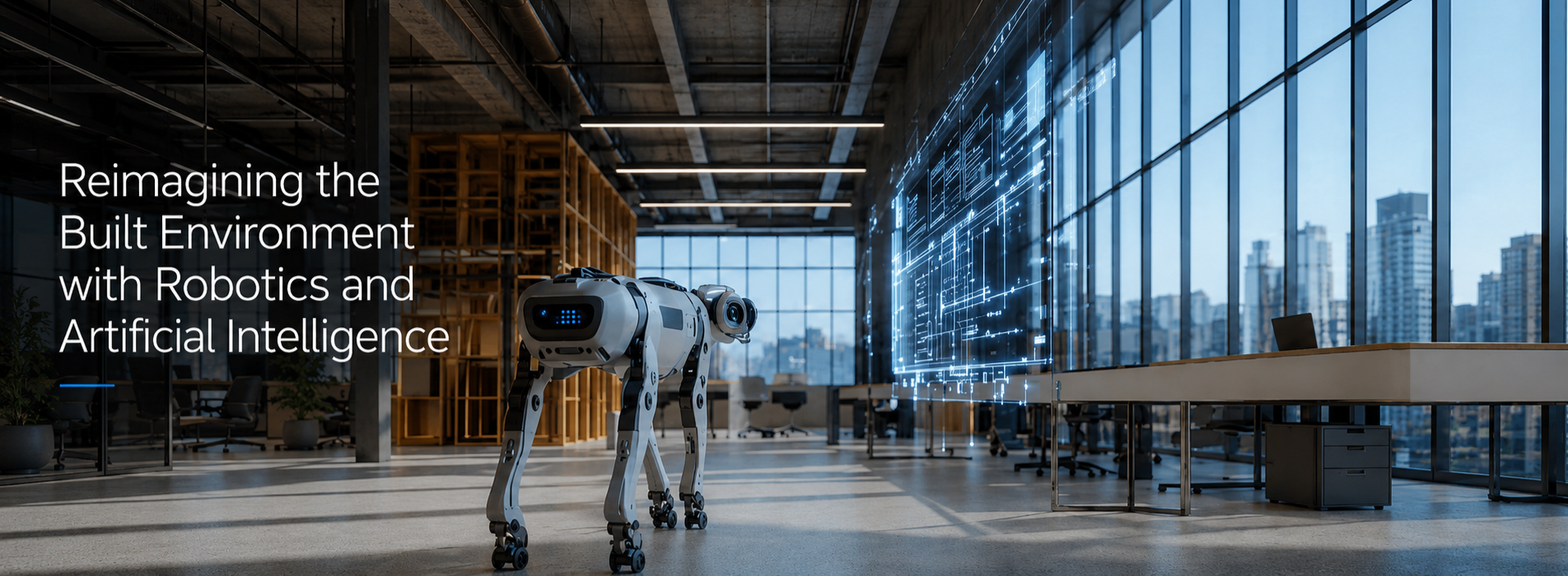
RAIS4BE Lab was established at National University of Singapore in 2021. We are a multidisciplinary team with civil, mechanical, geomatics and computer engineering backgrounds. Our research focuses on building robotics, autonomous sensing, and AI-driven digital modelling to support intelligent reality capture, high-precision Scan-to-BIM and digital twin, and engineering optimisation for buildings and infrastructure.



Shuju Jing
Research Fellow
Joining
Research Fellow


Difeng Hu
PhD Researcher
Tao Wang
PhD Researcher


Qiao Zheng
PhD Researcher
Kexin Li
PhD Researcher



Josh Li
PhD Researcher
Srivatsan
PhD Researcher


Xiayi Chen
MSc (Research)
Oh Hui Lin
MSc (Research)


Yushuo Wang
MSc (Research)
Runfeng Ma
MSc (Research)


Dian Zhuang
Visiting PhD
Chao Xiang
Visiting PhD
Ben Ben
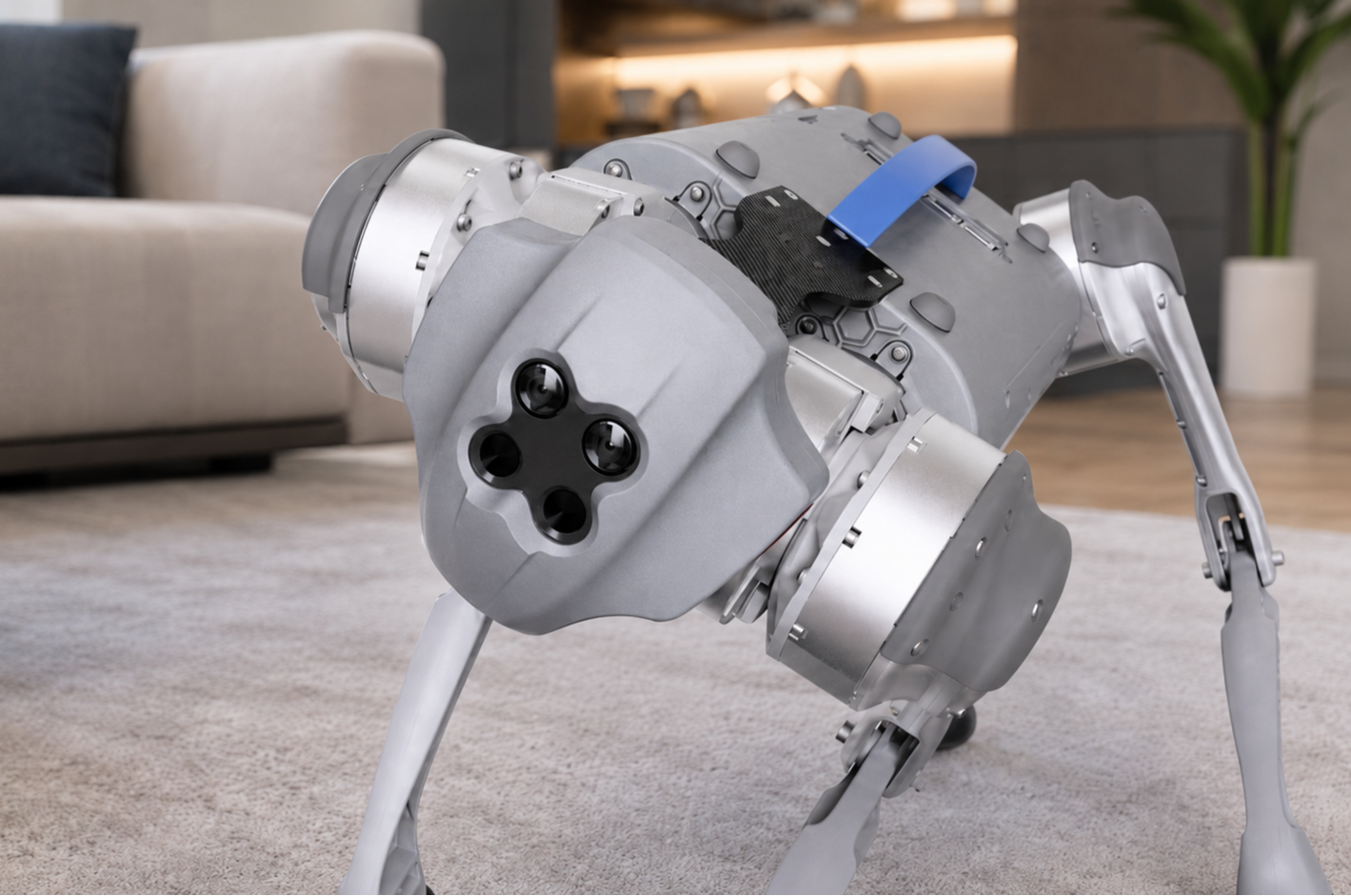
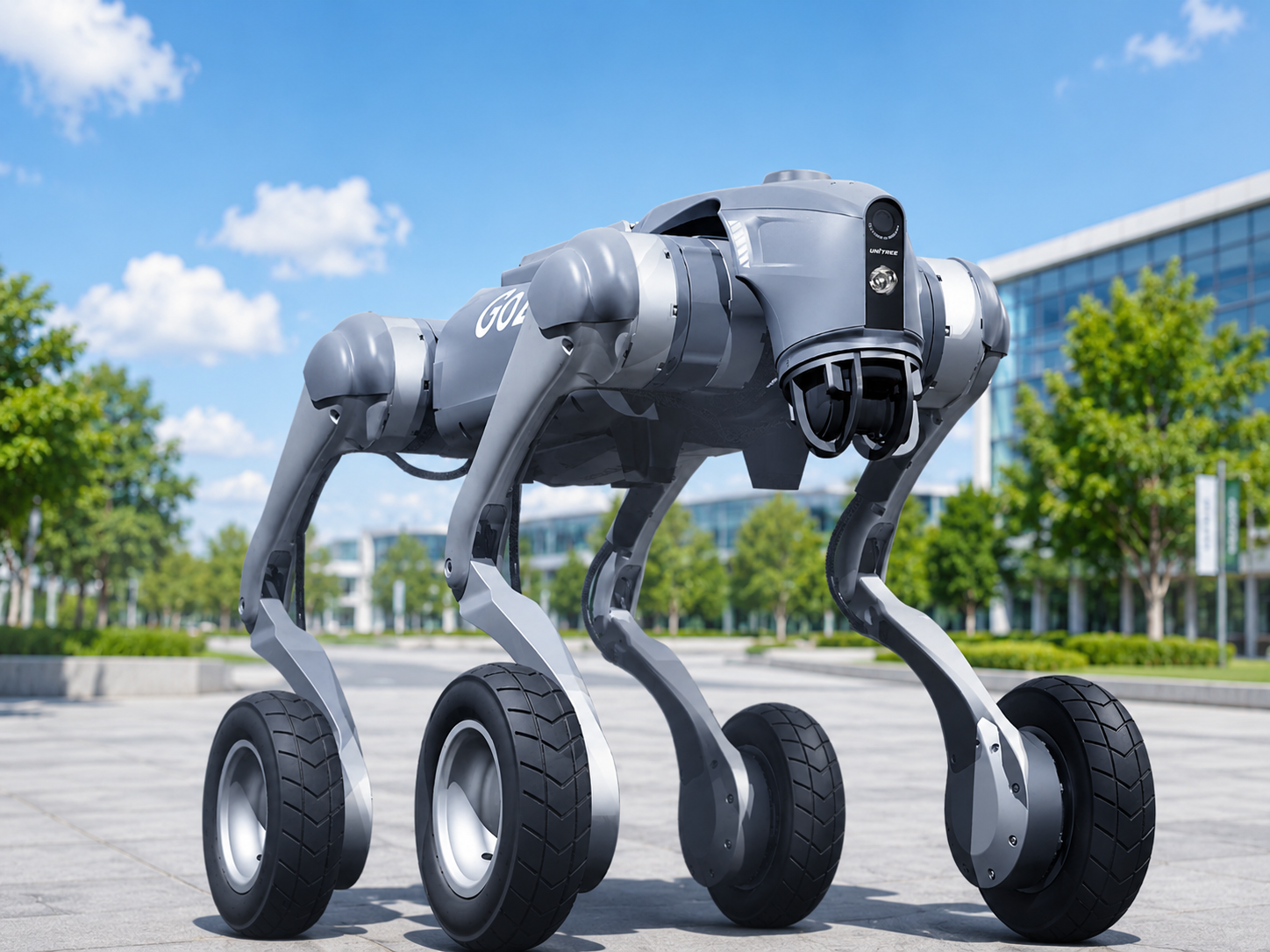
Robot Companion
Scout
Robot Companion

🦆
Robot Companion
Mike Li
Research Fellow
Vincent Gan
Assistant Professor


Asiri
Research Associate
Shaobo Li
Research Associate


Yuanyuan Deng
Research Assistant
Jey Chandar
Research Assistant
Melanie Tan
PhD Researcher
Xiuqi Li
PhD Researcher


Bi Jian
Visiting PhD
Ruoming Zhai
Visiting PhD
Advancing Digital Intelligence
A connected workflow from robotic mobile reality capture to AI-assisted Scan-to-BIM and digital twins
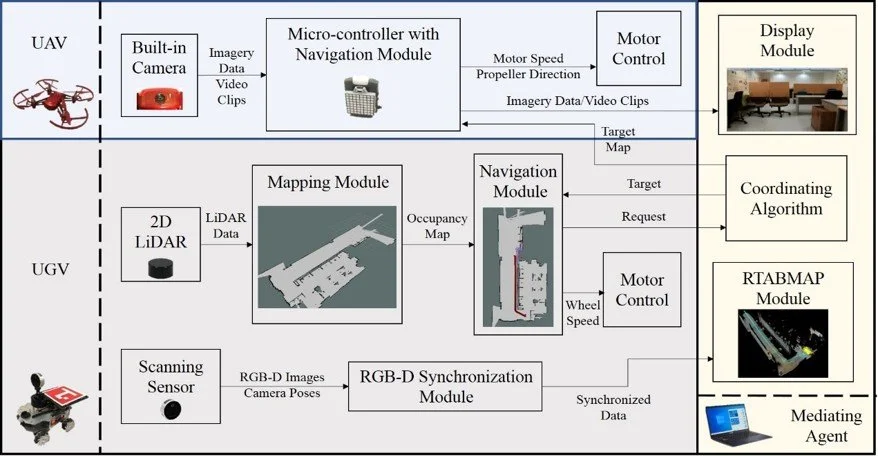
Multi-agent robotic system for drone and unmanned ground vehicle path planning and automatic sensory data collection
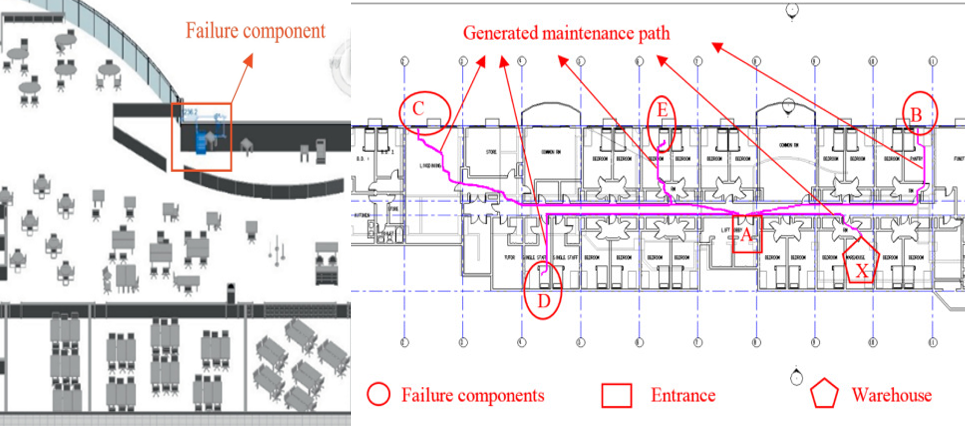
Digital twins for anomaly detection and automatic scheduling of facility maintenance work orders
Segmentation and BIM reconstruction for MRT station including structure and M&E, and viaducts
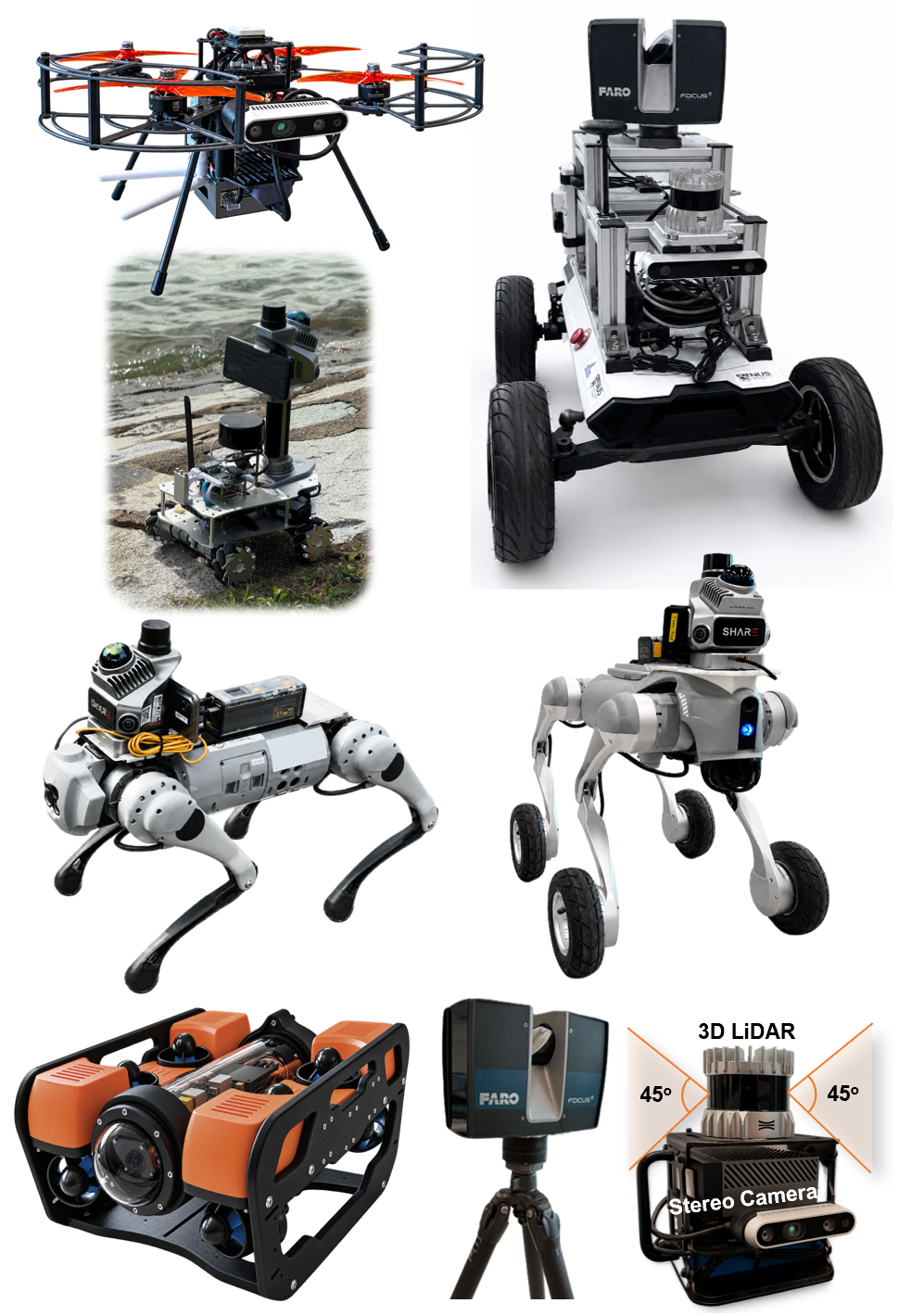
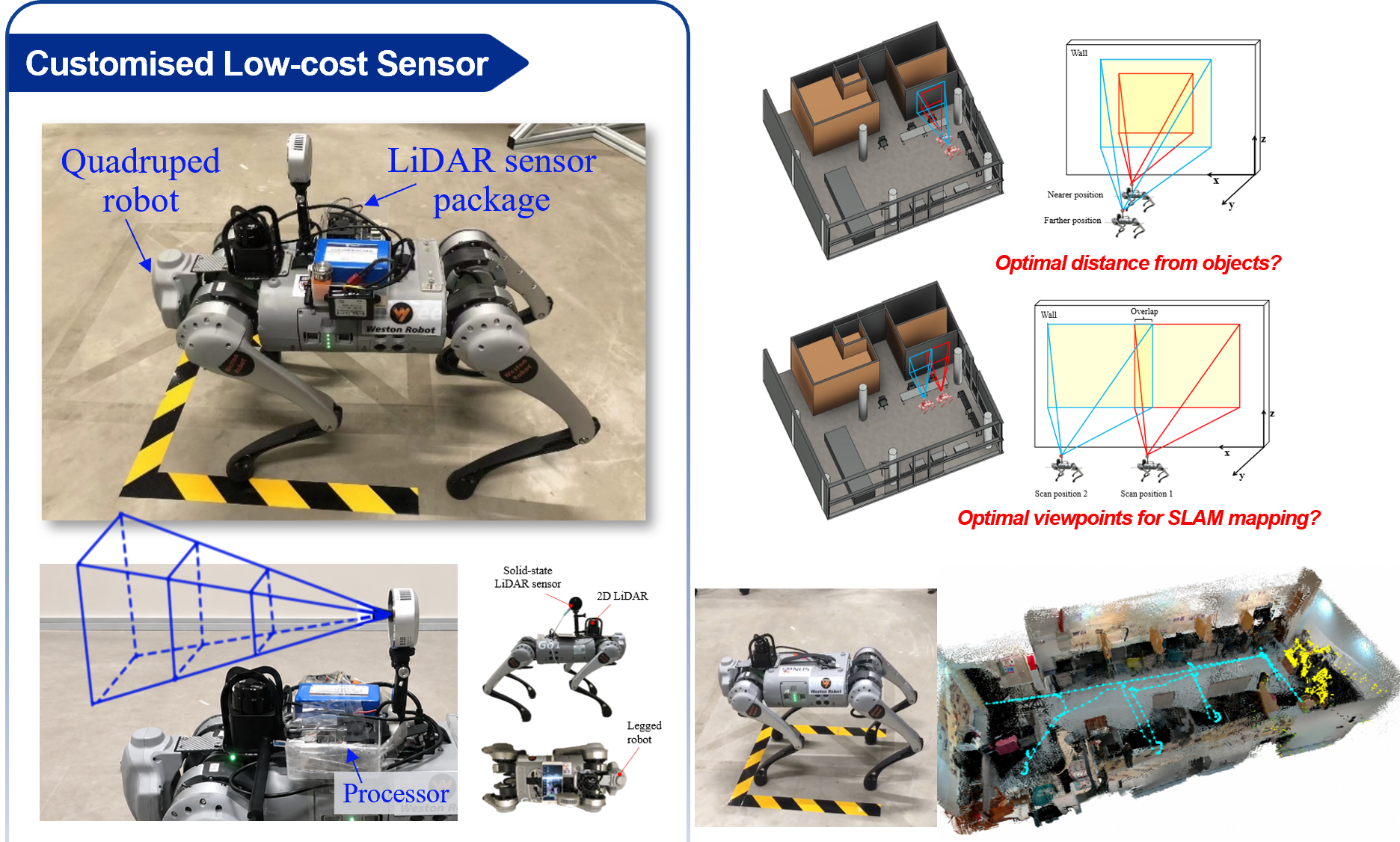
Low-cost robotic LiDAR and SLAM-based data acquisition system
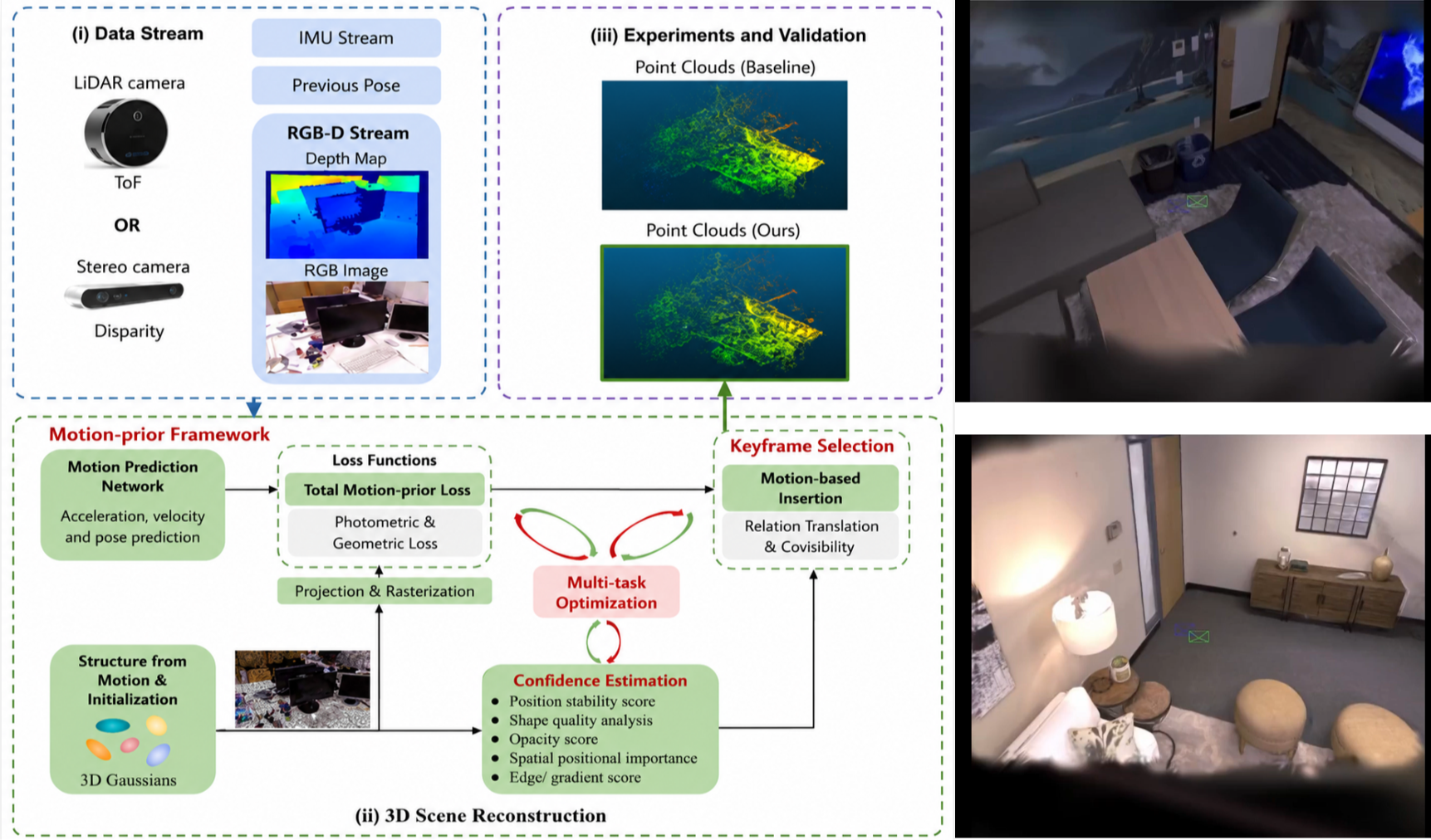
Unsupervised learning or Gaussian Splatting SLAM for weakly-textured 3D scene reconstruction
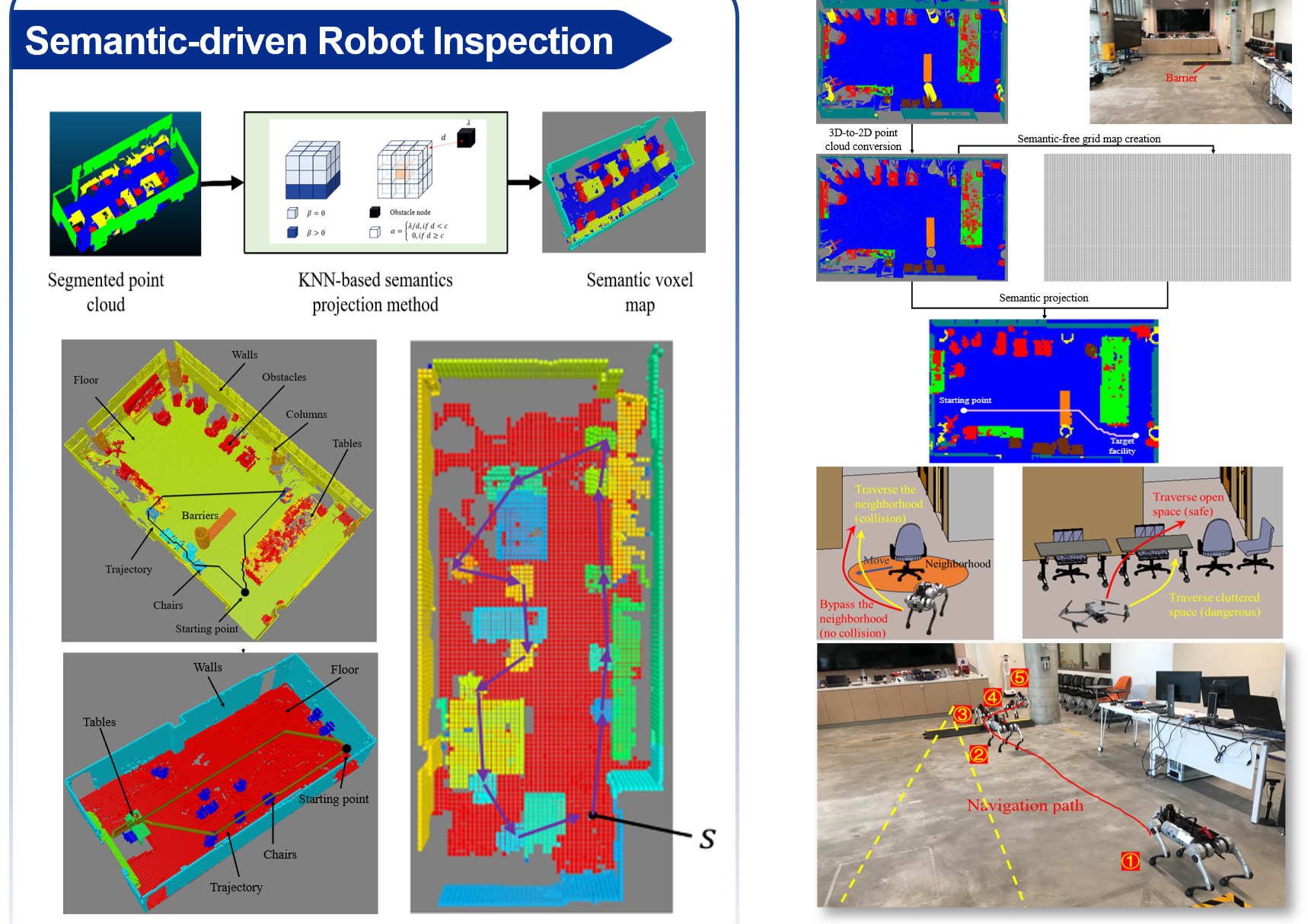
Domain adaptation network (DawNet) and semantic map for robot navigation trajectory optimisation
Robot trajectory optimisation for automated reality capture and mapping of as-built profile
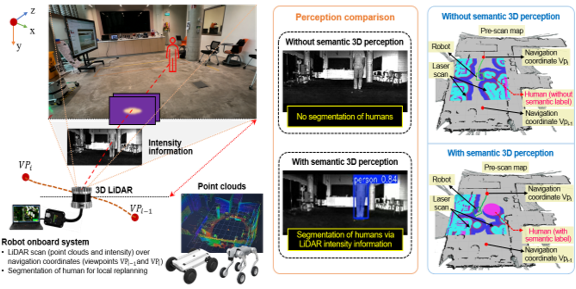
Real-time semantic perception of dynamic objects and navigation for GPS-denied environment
Scan-to-BIM for geometric-similar structural component and non-linear mechanical & eletrical (M&E) system
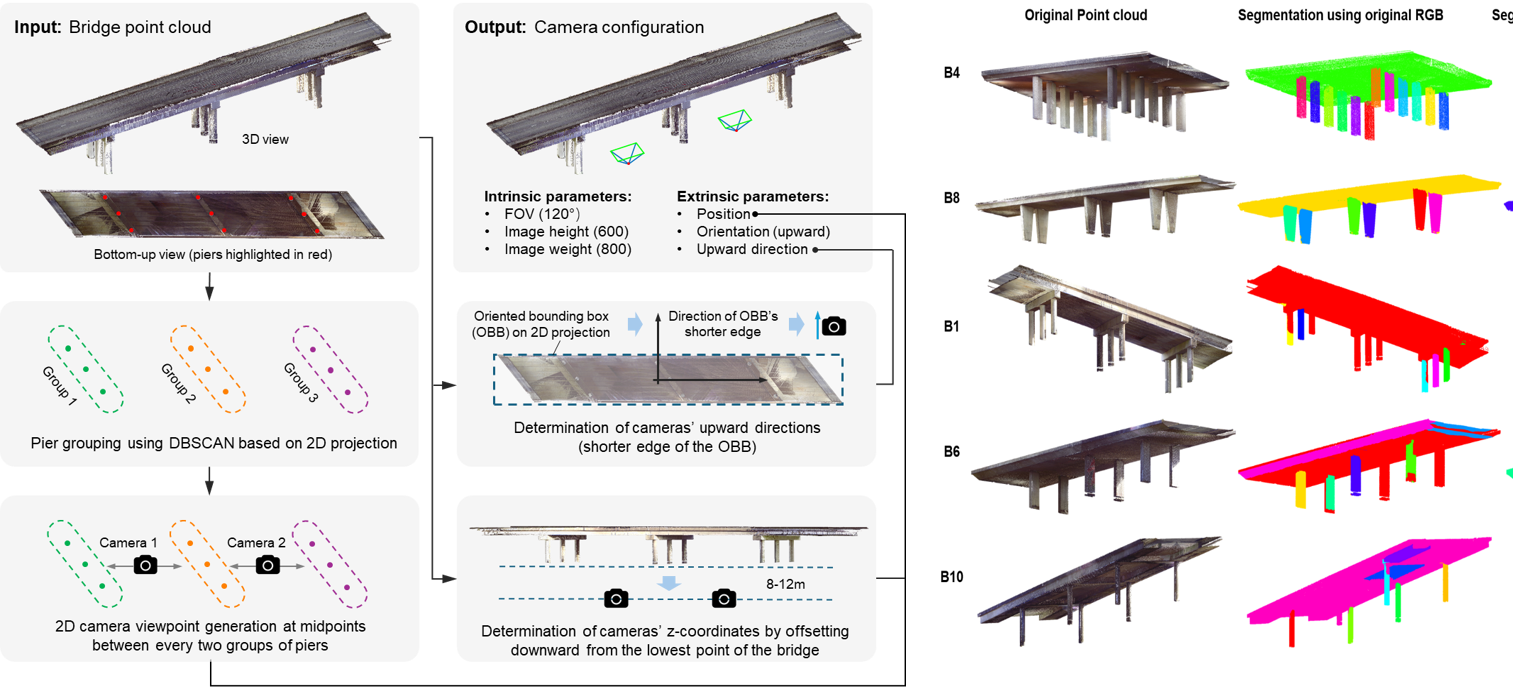
Vision foundation model for zero-shot bridge segmentation and BIM reconstruction
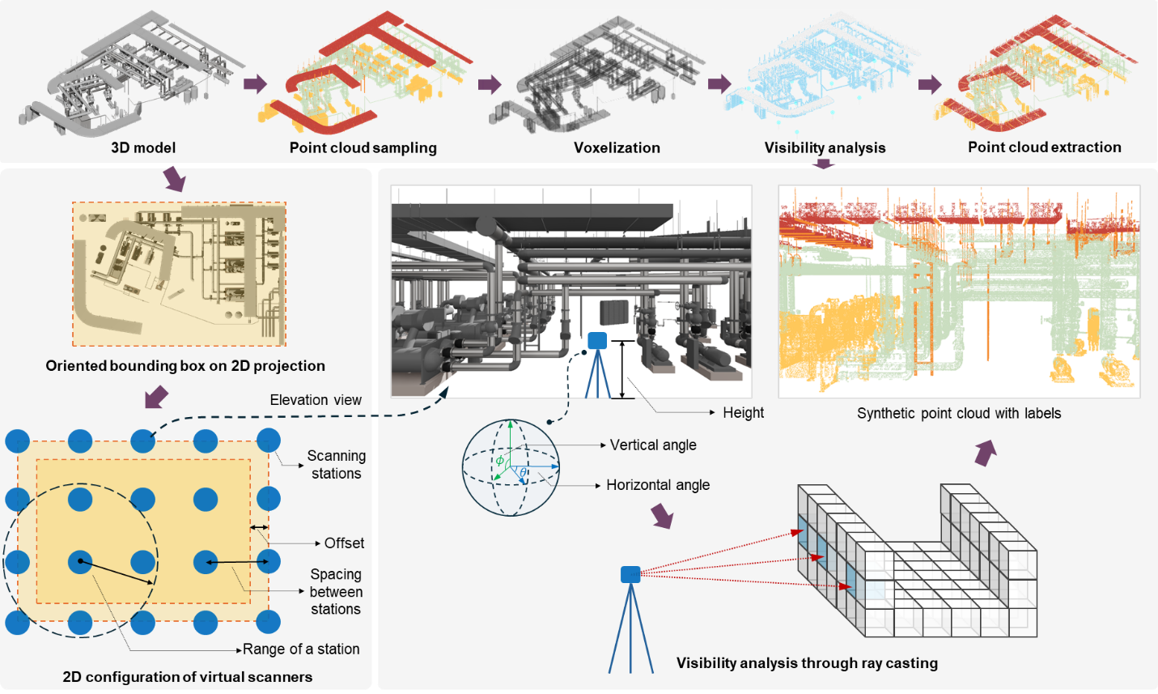
Synthetic point clouds and vision language model for segmentation and digital twinning of industrial facilities
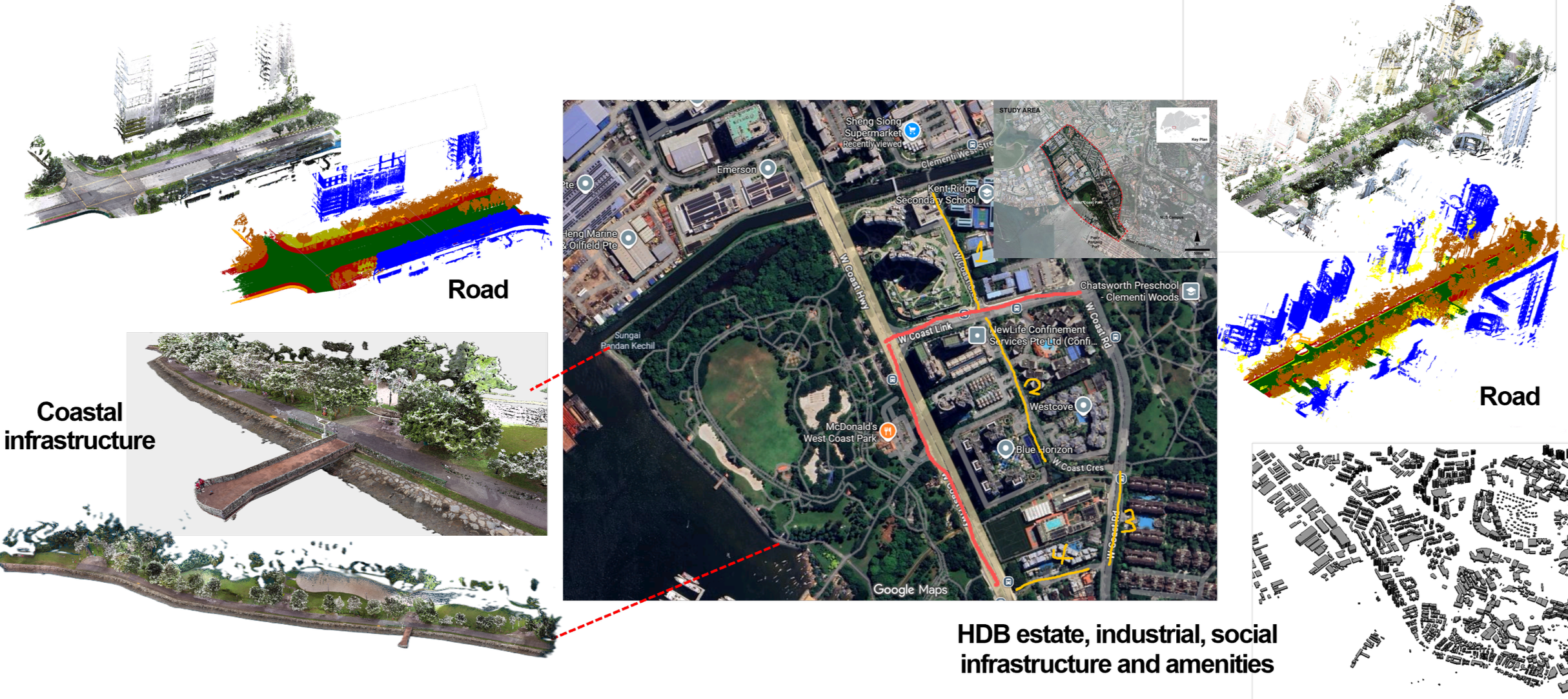
Digital twinning for road, coastal infrastructure, and housing estate
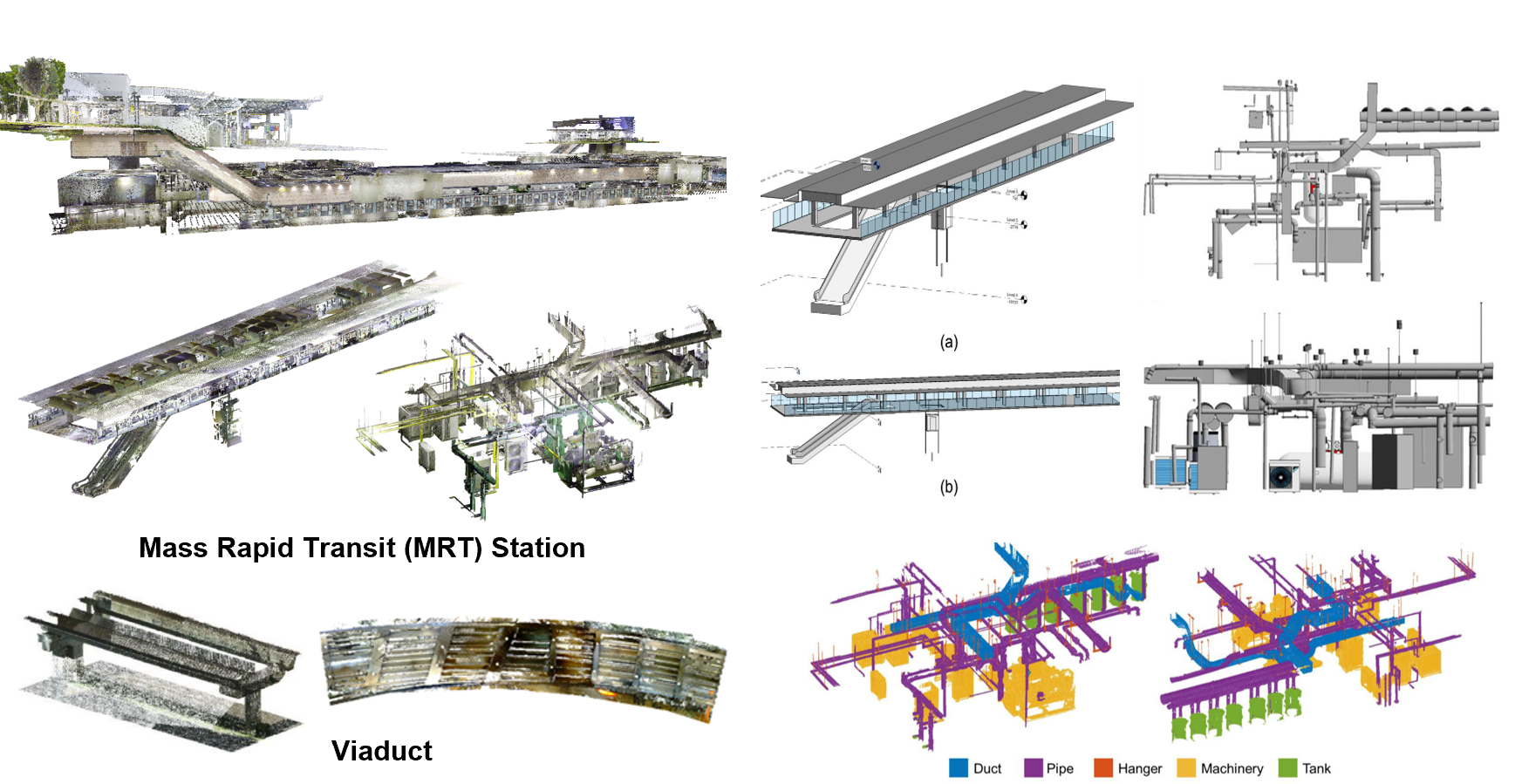
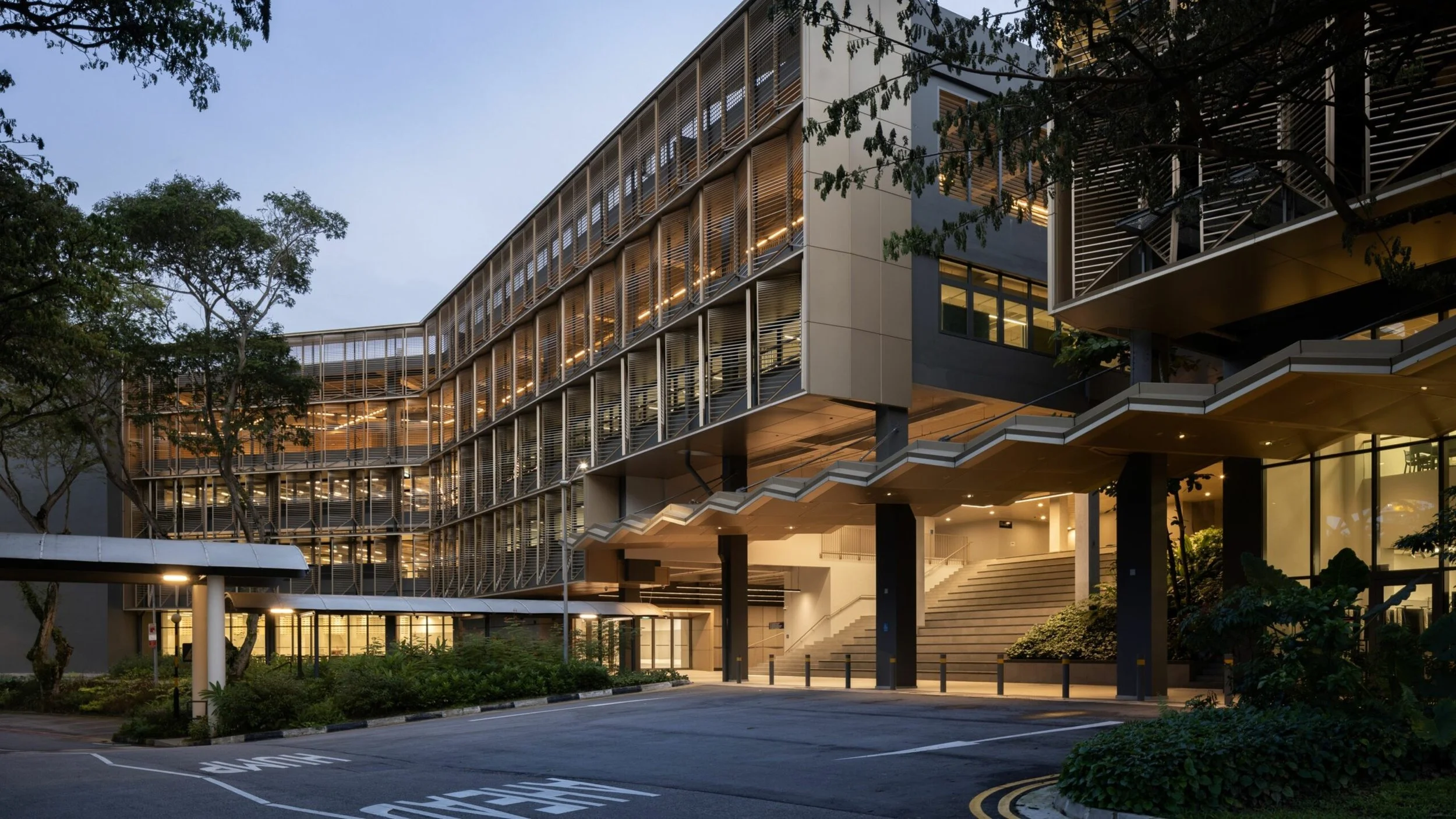
InfraTwin
AI-Powered Intelligent Sensing and Diagnostic Digital Twinning for Infrastructure
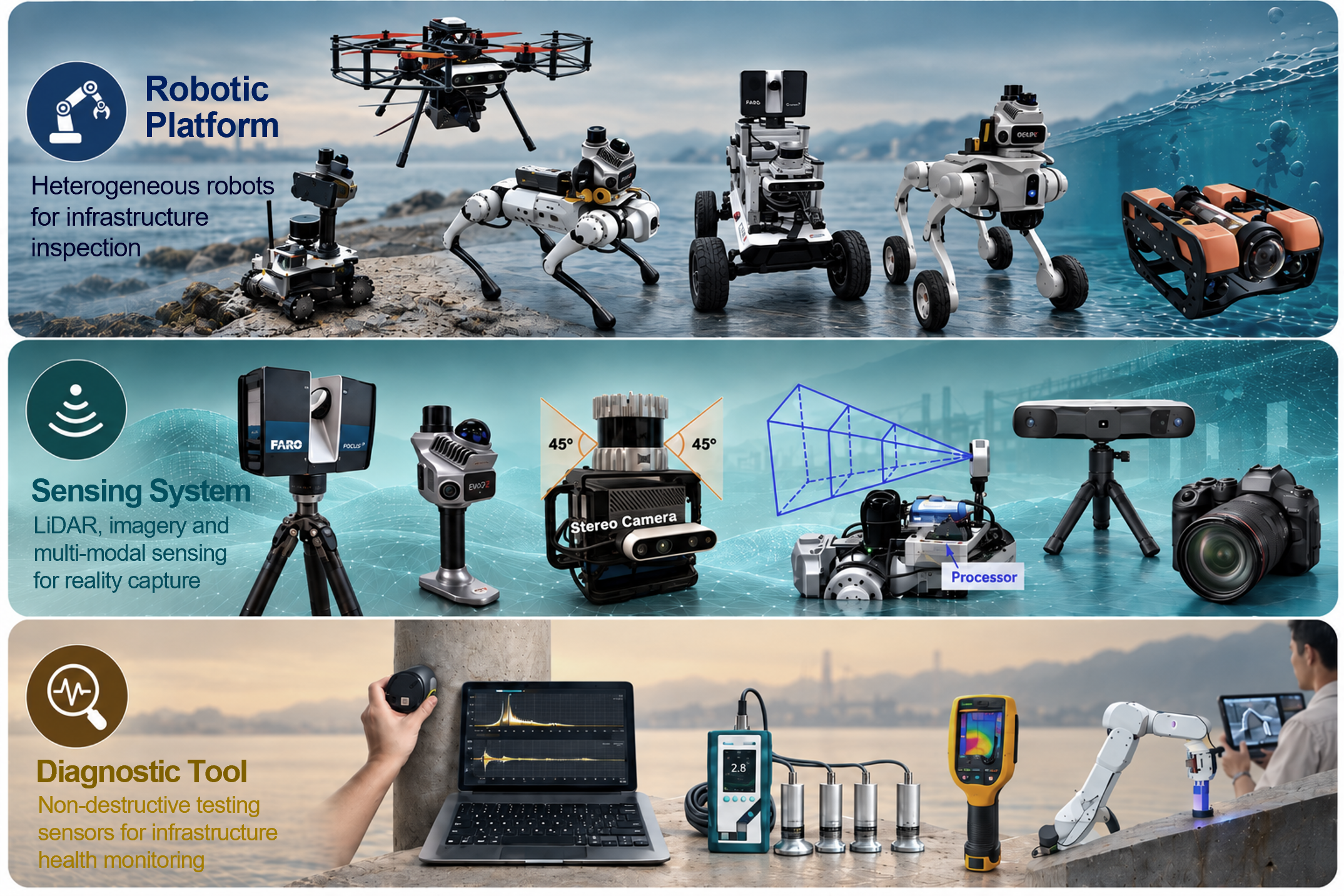
Infra.SENSE
Guide surveyors or robotic platforms through hard-to-access environments for rapid 3D mapping and NDT/diagnosis of subsurface defect.
Infra.SEG
Turns reality capture into structured asset inventories; detects, updates and verifies changes or inconsistencies against BIM/FM records.
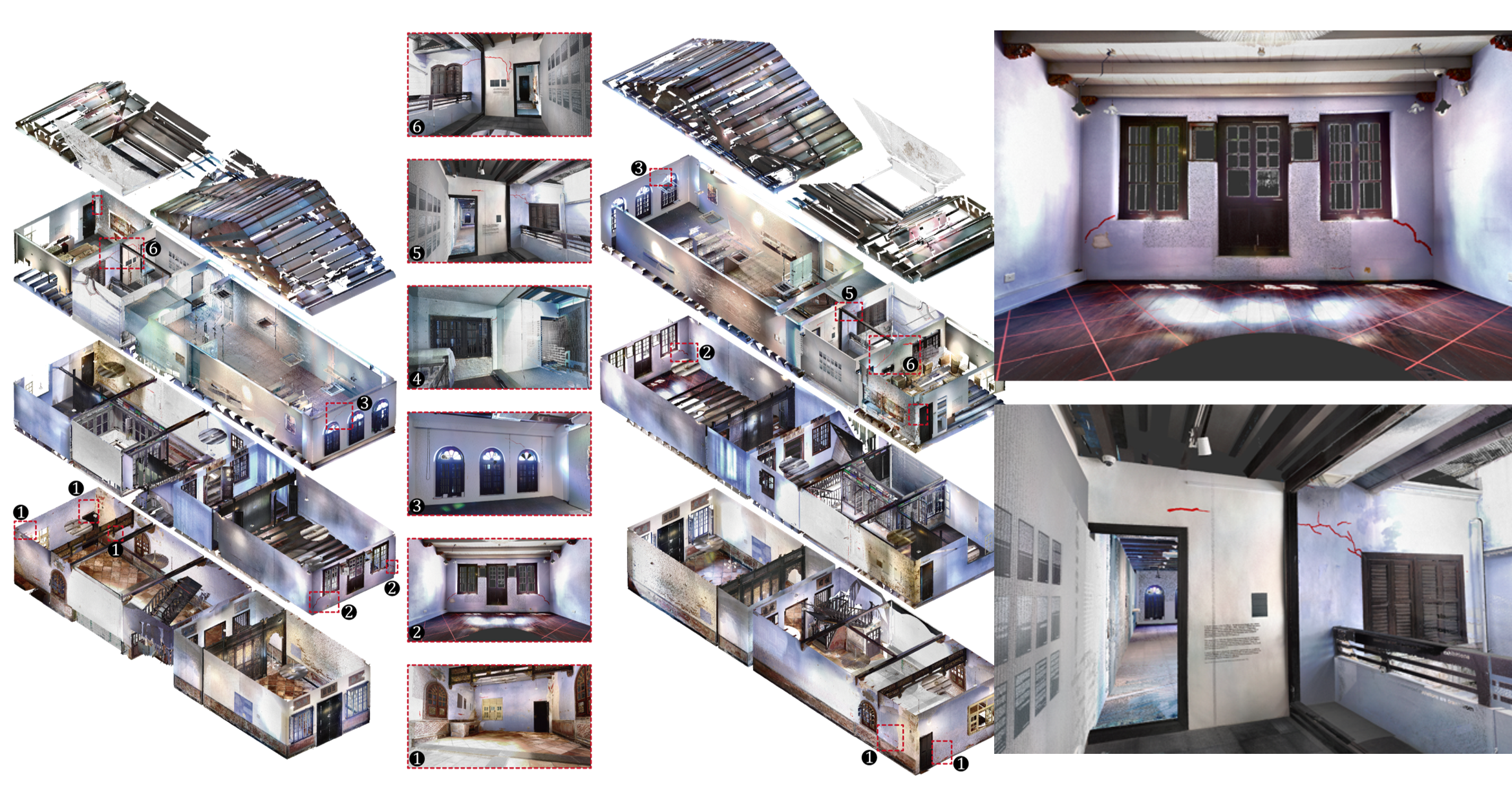
Infra.DT
Multimodal digital twins that connect 360 imagery, 3D reality and physical conditions to localise anomalies, support condition assessment to prioritize maintenance actions.
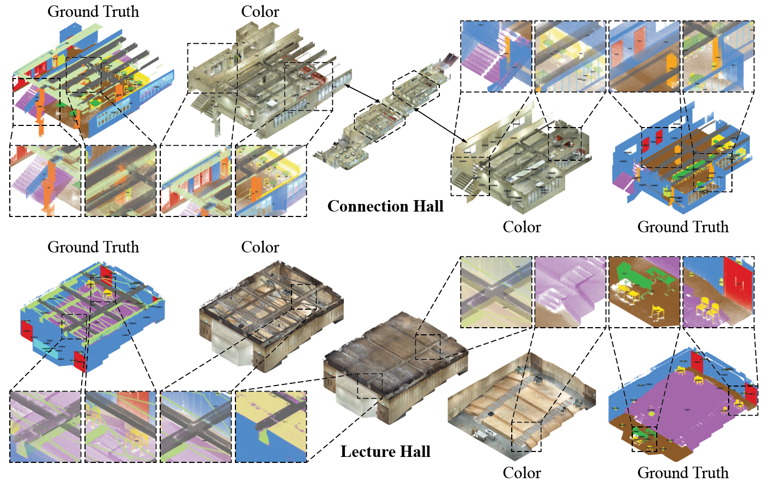
BuiltScene3D
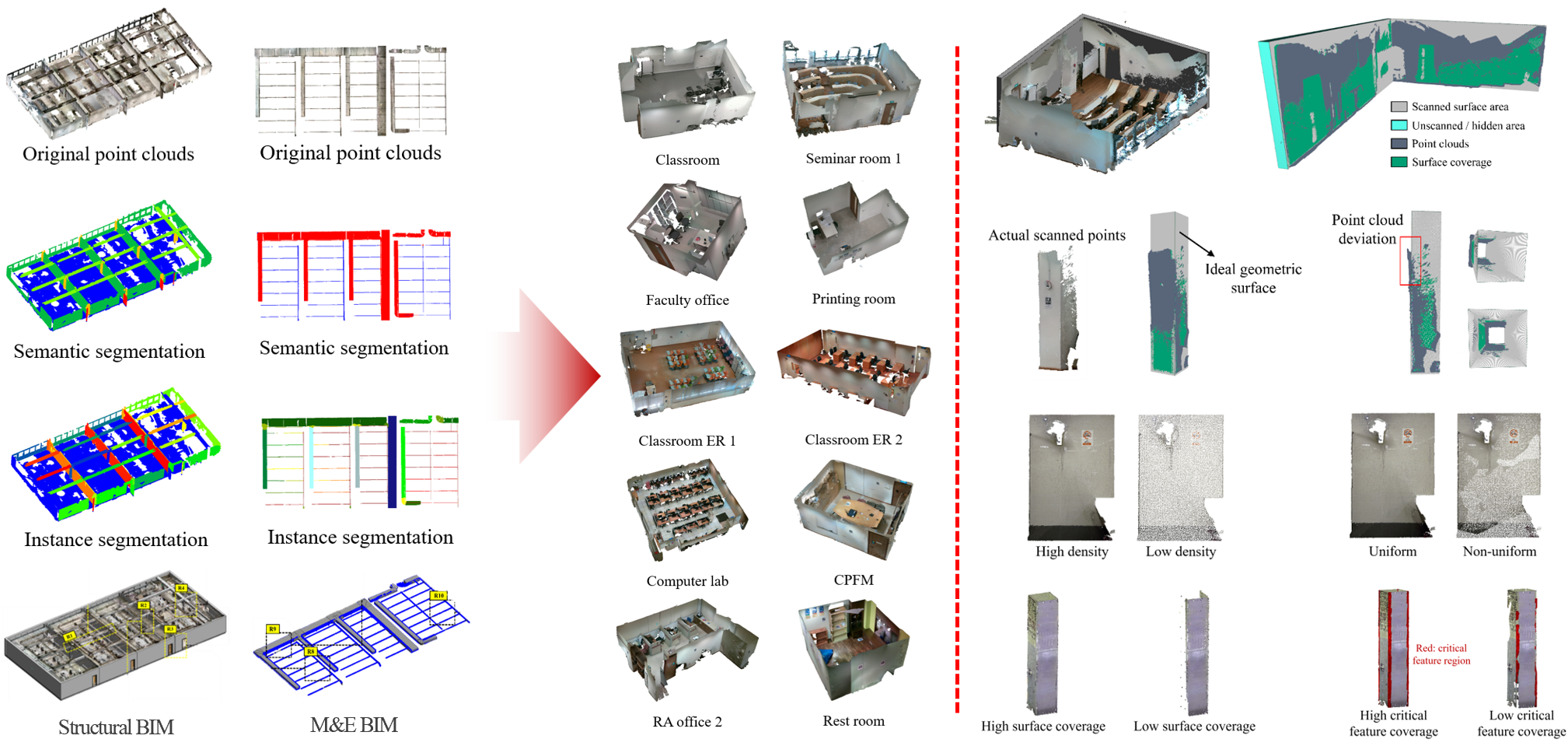
Creating a hybrid 3D spatial dataset for complex built assets to support generalizable 3D scene understanding, Scan-to-BIM and robotic inspection.
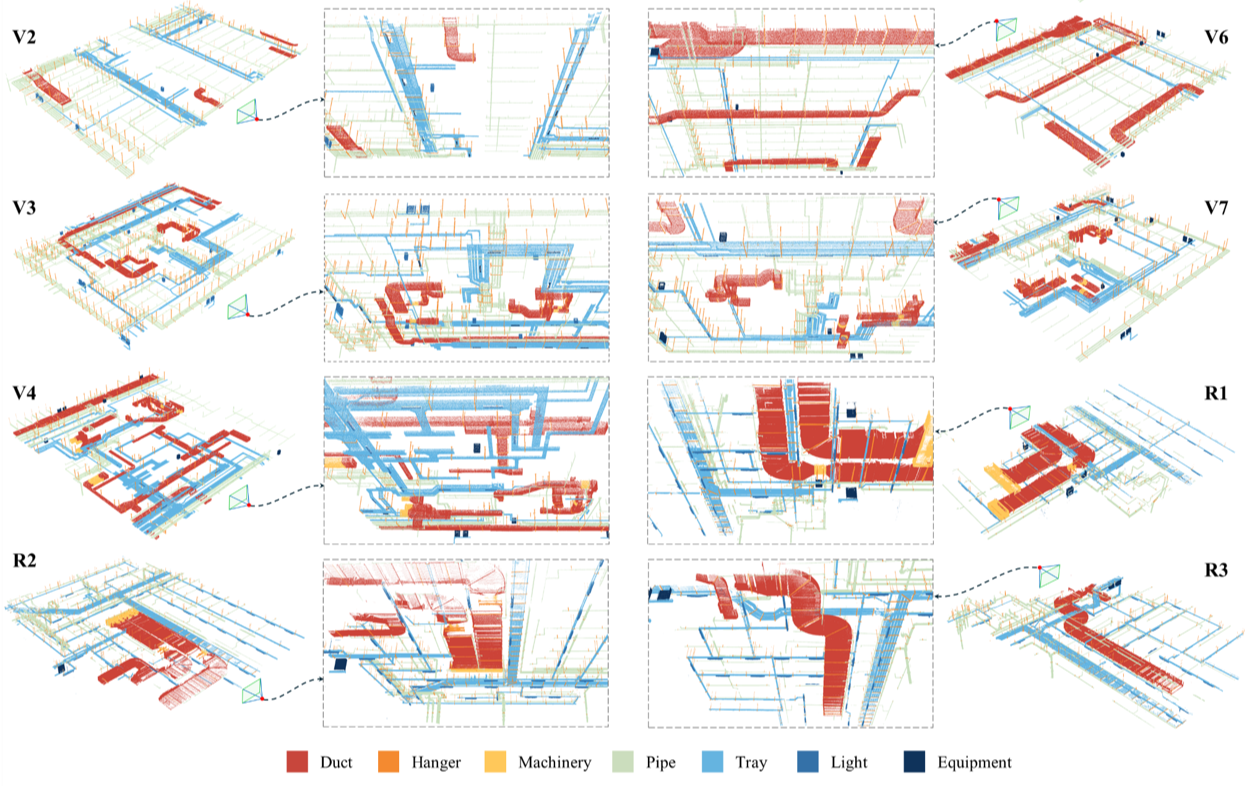
Synthetic Point Clouds
Provides complete, noise-free design-intent point clouds generated from BIM models such as mechanical & eletrical (M&E) systems.
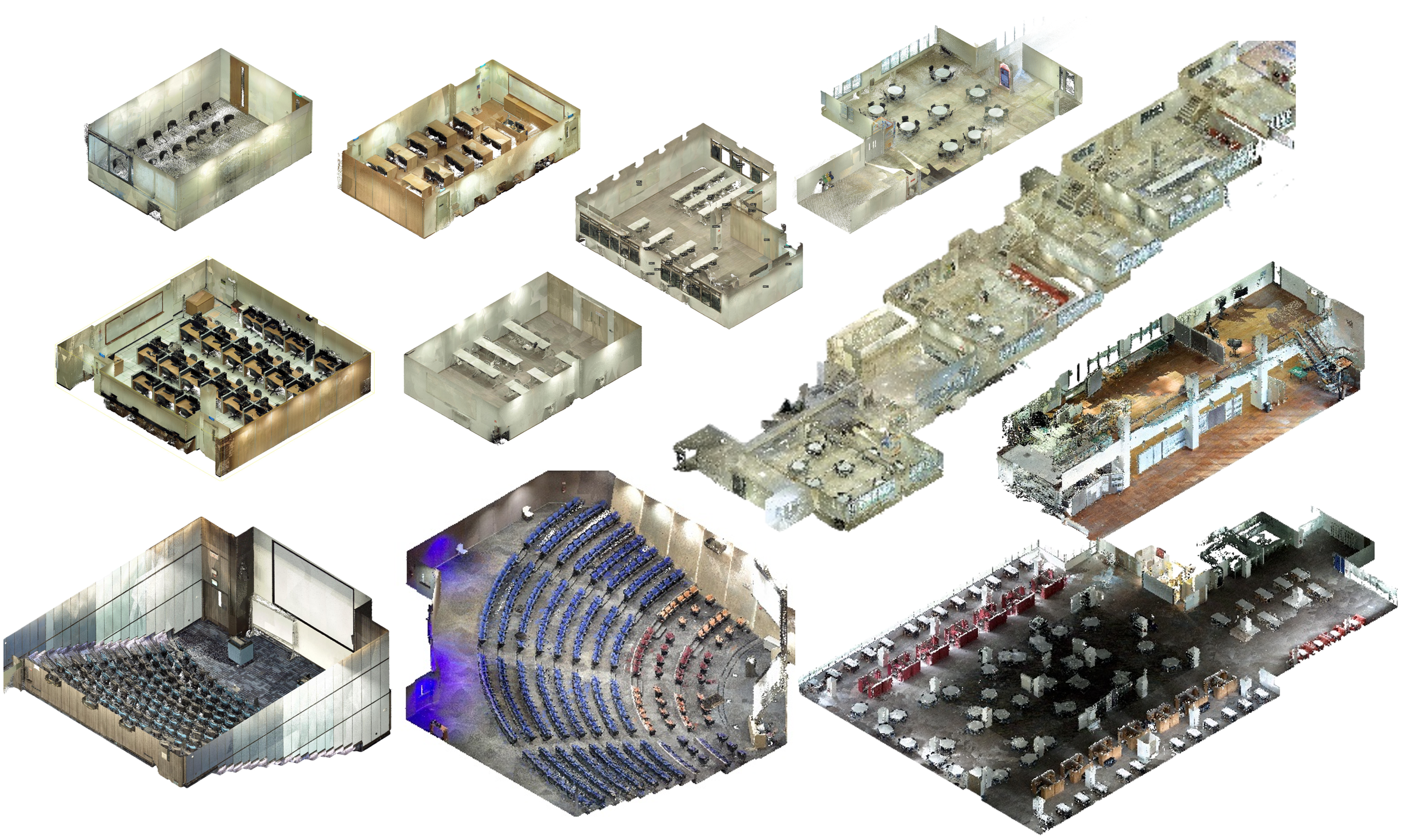
Mobile-Scan Point Clouds
Mobile-scan point clouds are collected in real environments using handheld or robotic scanning systems supported by SLAM.
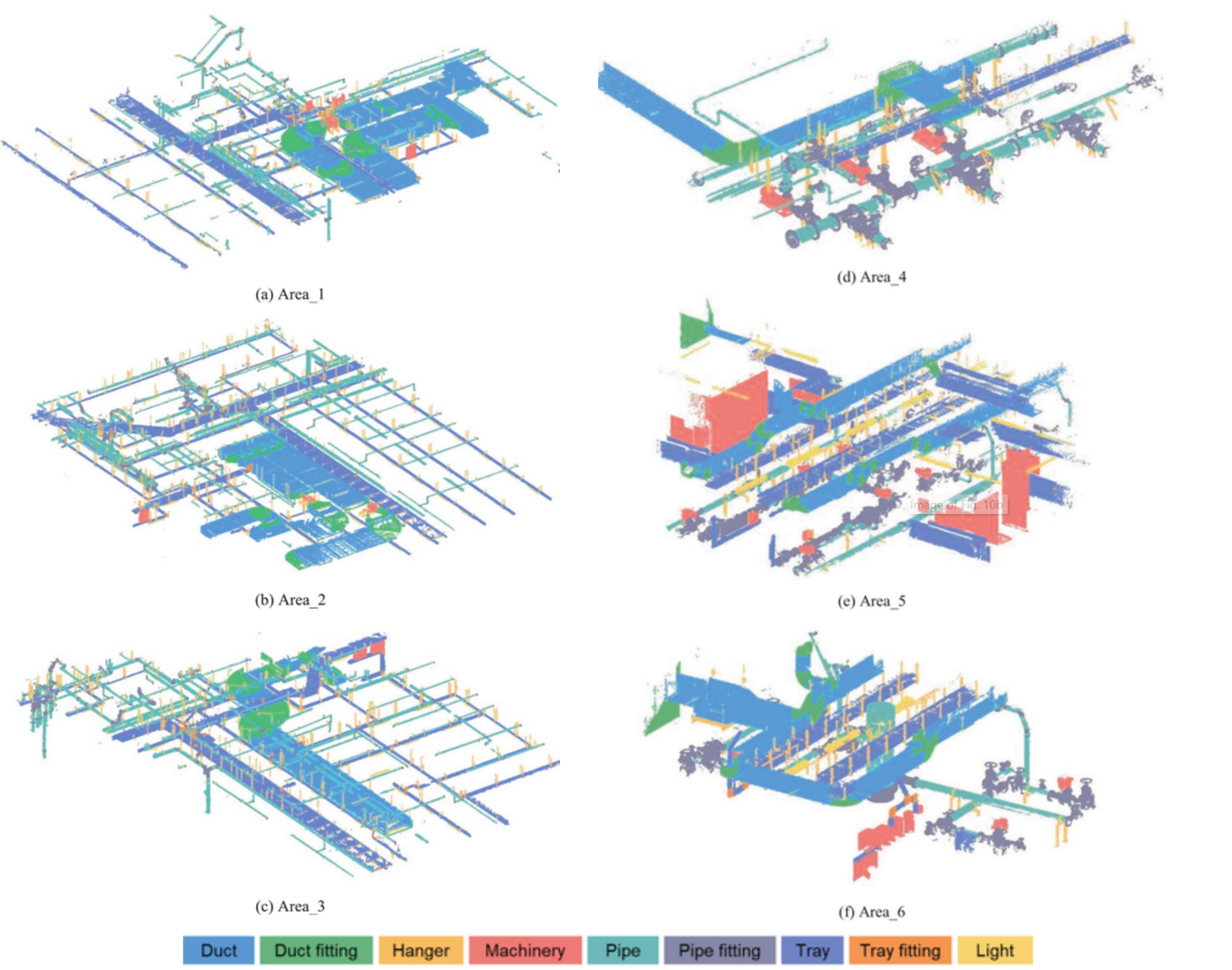
TLS Point Clouds
TLS point clouds are captured using high-resolution terrestrial laser scanning. They provide dense and accurate 3D measurements of structure and M&E systems.
Featured Publication
Li, M.K., Gan, V.J.L.,* • Automation in Construction (10.2026)
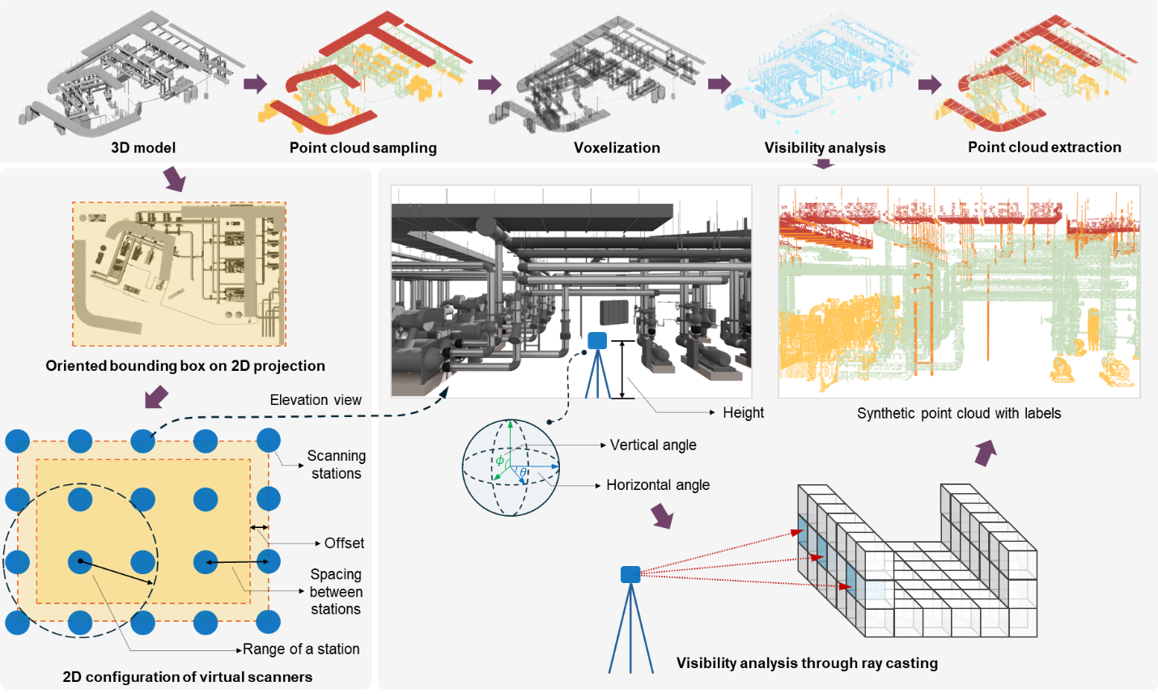
Iterative self-learning with BIM-based sensor perception for manual-annotation-free cross-domain segmentation of MEP point clouds
A sensor perception model is developed to generate BIM-based synthetic point clouds that reflect real scan sampling density, occlusion etc. Iterative self-learning is introduced to support point cloud segmentation to save time and effort in point cloud annotation.
Li, M.K., Gan, V.J.L.,* Li, K.X., • Automation in Construction (8.2026)
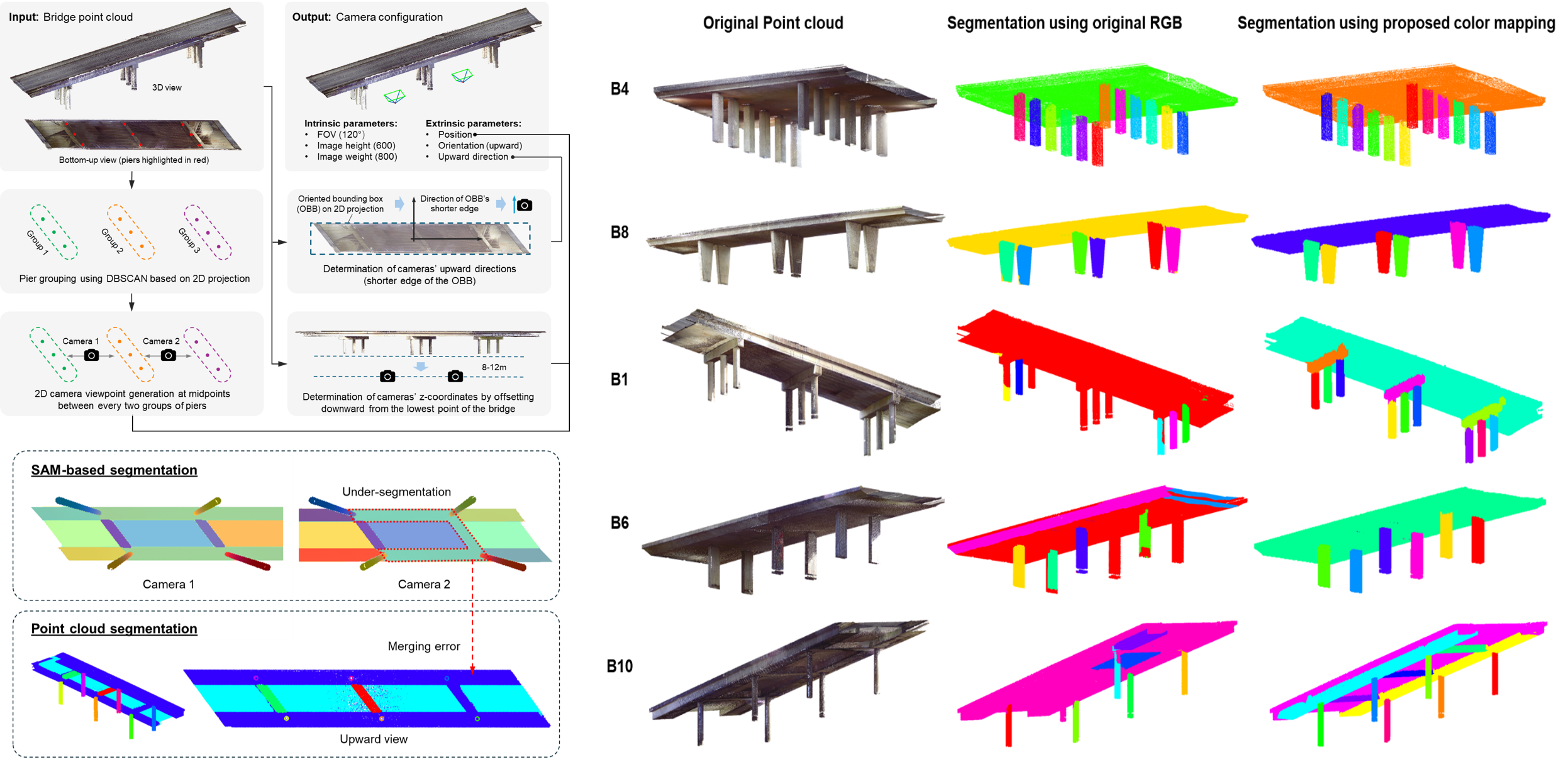
Vision foundation model with connectivity-based inferencing for zero-shot bridge element segmentation and geometric reconstruction
This paper presents BridgeSAM, a vision foundation model that integrates the Segment Anything Model (SAM) with connectivity-based instance segmentation for bridge point cloud processing. BridgeSAM improves bridge element segmentation for bridge 3D modeling.
Deng, Y.Y., Gan, V.J.L.,* • Advanced Engineering Informatics (4.2026)
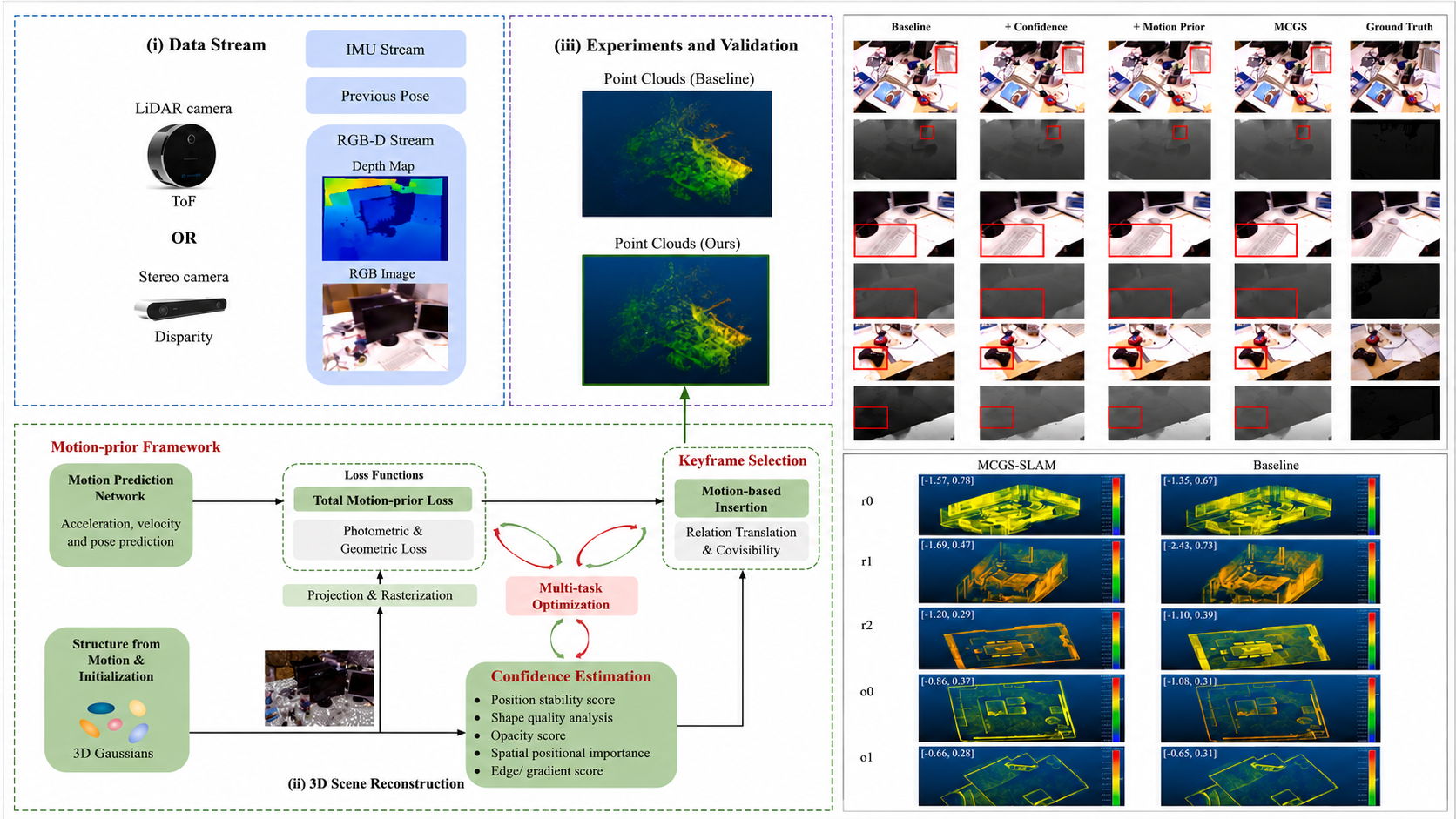
Motion-prior and Confidence-aware Gaussian Splatting (MCGS) SLAM for 3D scene reconstruction of indoor built environments
This paper proposes a motion-prior and confidence-aware Gaussian Splatting (MCGS) SLAM, which harnesses a probabilistic motion-prior framework, confidence estimation mechanism, and adaptive keyframe selection to guide photorealistic 3D scene reconstruction.
Zheng, Q., Gan, V.J.L.,* Li, M.K., • Automation in Construction (1.2026)
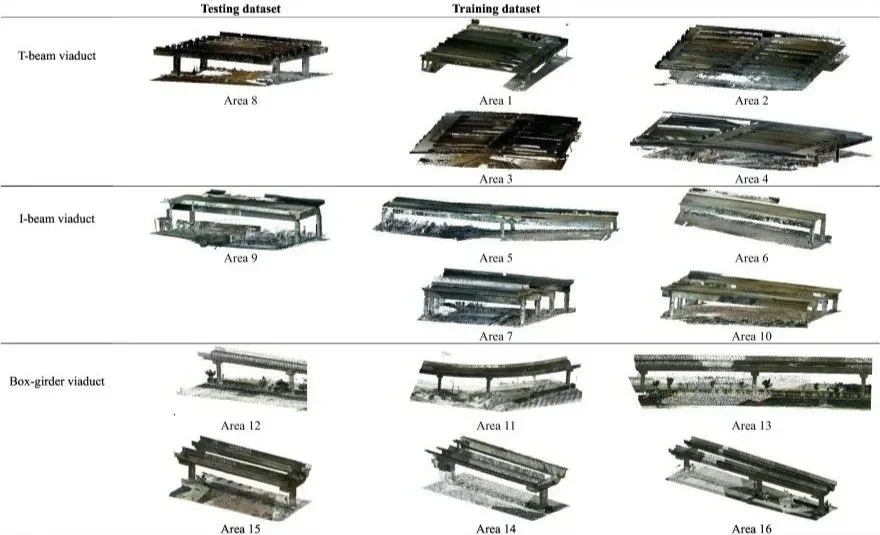
Semantic instance segmentation and automated 3D BIM reconstruction for viaduct using LiDAR point clouds and weakly-supervised learning
This paper presents AI-based semantic instance segmentation approach that leverages weakly-supervised learning for high-precision segmentation and BIM reconstruction of transport infrastructure, focusing on viaducts.
Li, M.K., Gan, V.J.L.,* Wang, B.Y., • Automation in Construction (11.2025)
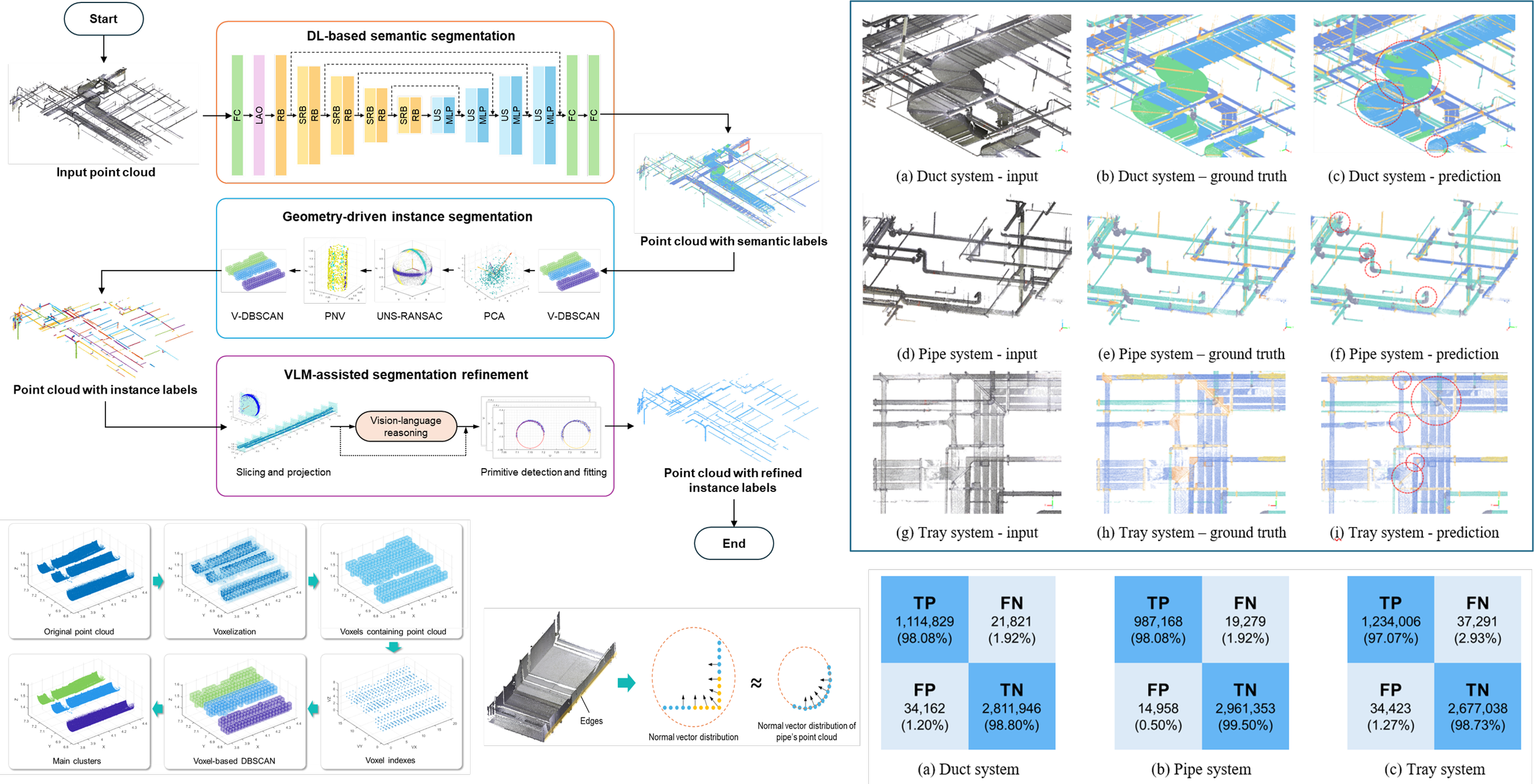
Integrating hierarchical segmentation and vision-language reasoning for spatially complex and occluded MEP point clouds
This paper proposes a hierarchical and progressive segmentation that integrates deep learning-based semantic segmentation, geometry-driven instance segmentation, and vision-language model-assisted refinement for 3D BIM reconstruction of MEP systems.
Hu, D.F., Gan, V.J.L.,* • Automation in Construction (3.2025)
Semantic navigation for automated robotic inspection and indoor environment quality monitoring
This paper proposes a semantic navigation approach to improve robotic inspection. A revised RandLA-Net and KNN algorithm construct a semantic map rich in detailed object information. An object instance reasoning algorithm identifies target object coordinates from the semantic map. Semantics-aware A* algorithm calculates safer, efficient navigation paths.

Gan, V.J.L., Hu, D.F.,* etc. • Computer-Aided Civil and Infrastructure Engineering (3.2025)
Automated indoor 3D scene reconstruction with decoupled mapping using quadruped robot and LiDAR sensor
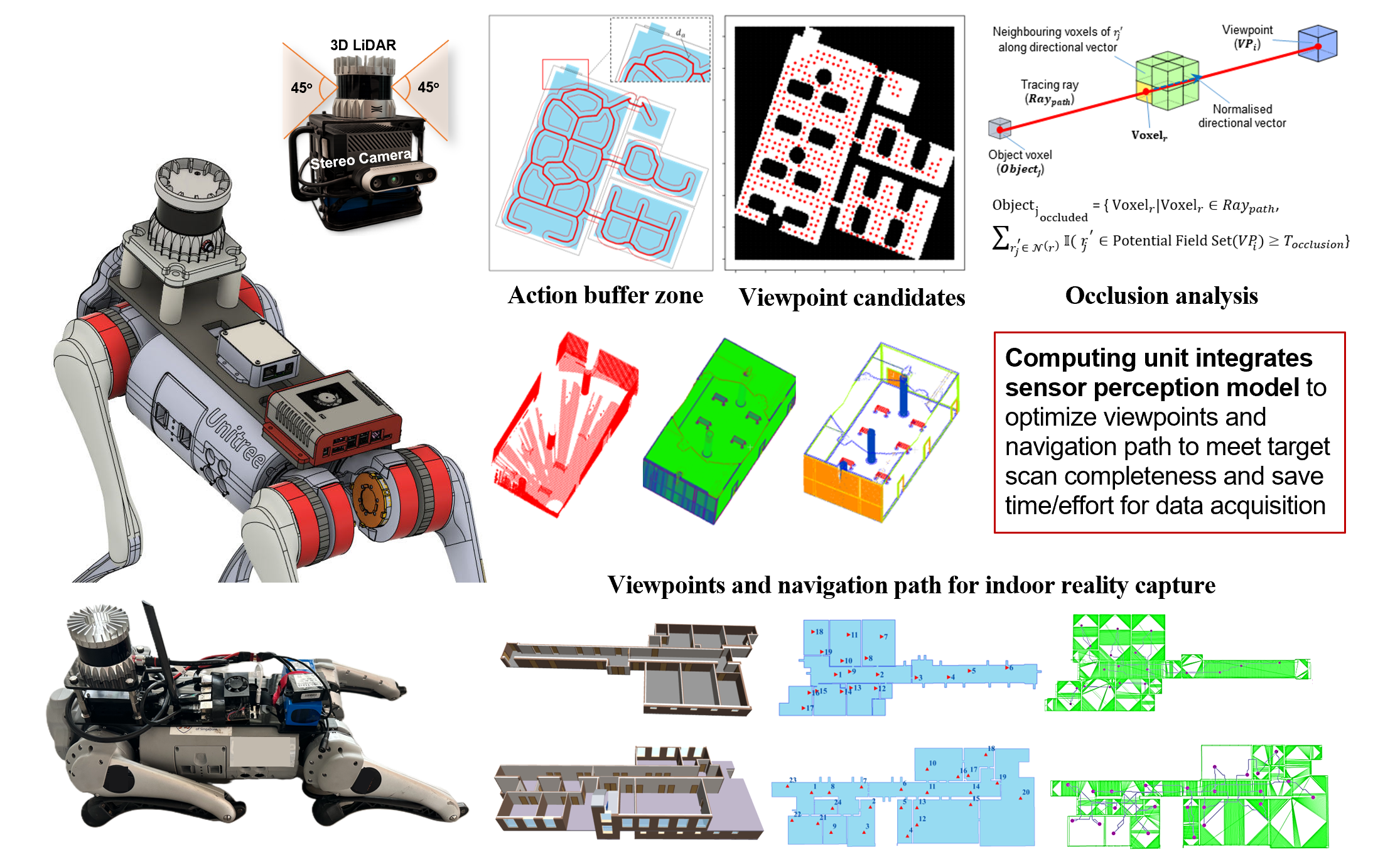
This study introduces optimization algorithms for viewpoint generation, occlusion detection and culling, and robot-moving trajectory identification. The research investigates 3D reconstruction, comparing coupled and decoupled approaches to identify practical configuration for robotic scanning.

Gan, V.J.L., Li, K.X.,* etc. • Applied Energy (1.2025)
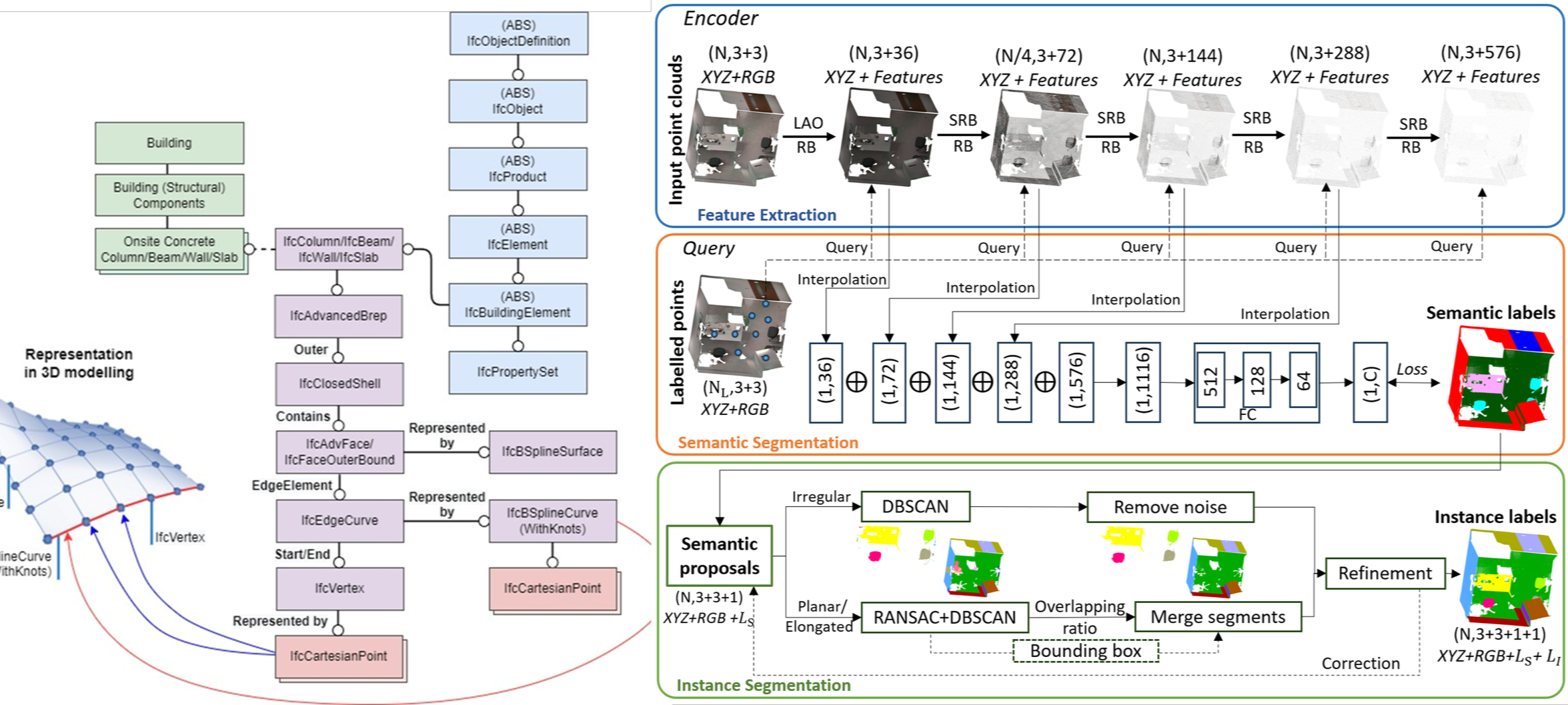
3D reconstruction of BIM with weakly-supervised learning for carbon emission modelling in the built environment
This paper presents weakly-supervised learning for automated BIM reconstruction, aiming at accurate carbon performance evaluation. By employing weakly-supervised semantic segmentation, this approach segments structural components from 3D point clouds and formulates the topological relationships for BIM reconstruction to assess embodied carbon.
Zhai, R., Zou, J., Gan, V.J.L.,* etc. • Automation in Construction (10.2024)
Semantic enrichment of BIM with IndoorGML for quadruped robot navigation and automated 3D scanning
In this paper, BIM data schema is enriched with IndoorGML, integrating building geometry with spatial data to establish an indoor navigation model describing multi-scale spatial topological networks. This navigation model optimizes robot scanning positions and traversal sequences.

Wang, T., Gan, V.J.L.,* • Automation in Construction (10.2024)
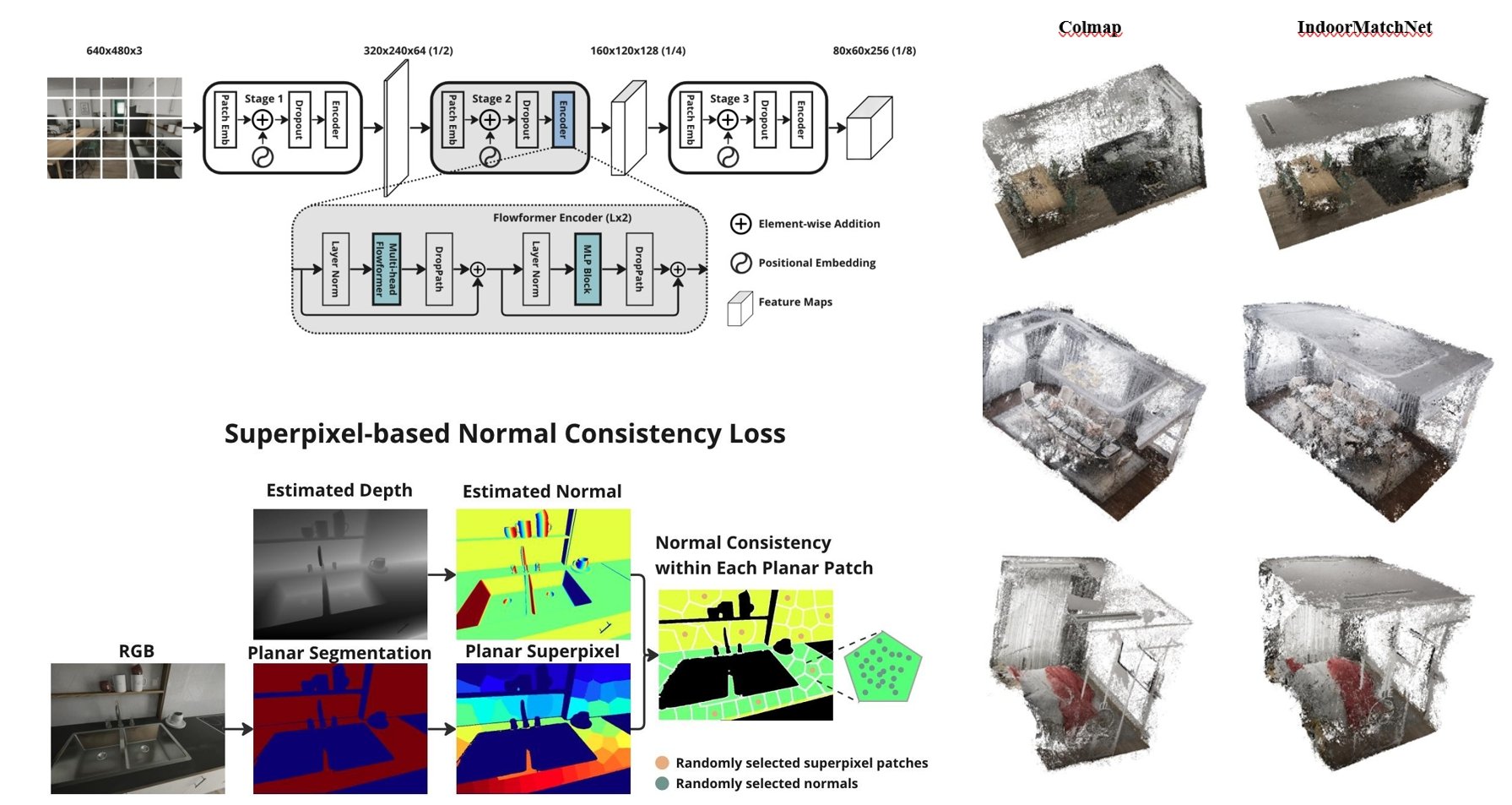
Enhancing 3D reconstruction of textureless indoor scenes with IndoReal multi-view stereo
This paper presents the “IndoReal-MVS” dataset, a rich indoor-centric compilation reflecting real-world phenomena through advanced computer graphics. It introduces unsupervised “IndoorMatchNet”, synergising Feature Pyramid Network (FPN) and Pyramid Flowformer (PFF) for encoding complex indoor geometries.
Hu, D., Gan, V.J.L.,* etc. • Building and Environment (8.2022)
Multi-agent robotic system (MARS) for UAV-UGV path planning and automatic sensory data collection in cluttered environments
This paper presents a multi-agent robotic system for automatic UAV-UGV path planning and indoor navigation to automate sensory data collection. An enhanced shunting short-term memory model is proposed to optimise the pathfinding, 2D image and 3D point cloud data collection.

Gan, V.J.L.,* • Automation in Construction (2.2022)
BIM-based graph data model for automatic generative design of modular buildings
This paper presents a Building Information Modelling (BIM)-based graph data model for the theoretic representation of spatial attributes, topological relationships, geometries, and semantics for generative design of modular buildings.
